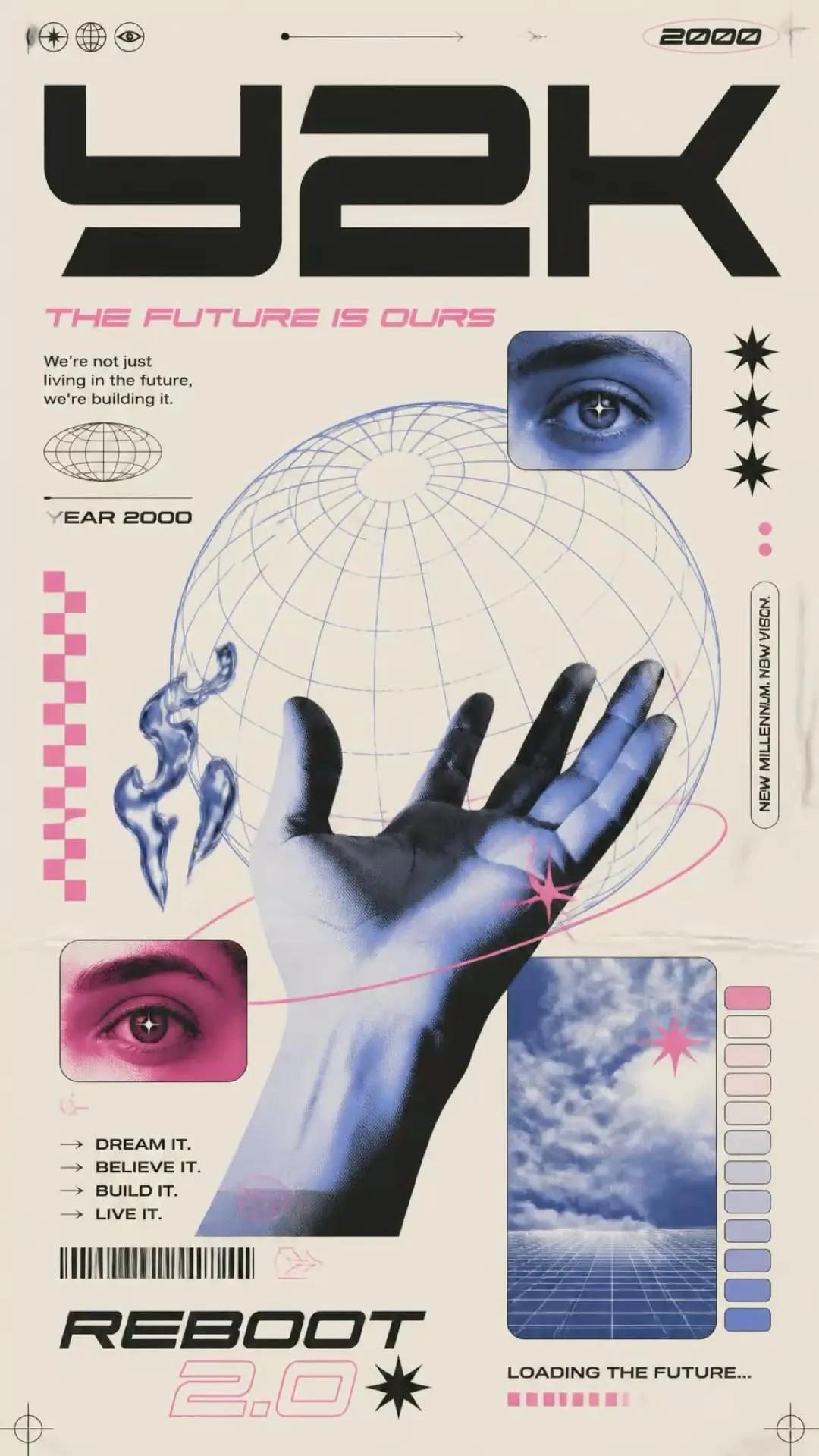
Analog Film Style Brief
Analog Film Visual Style Guide

SUMMARY
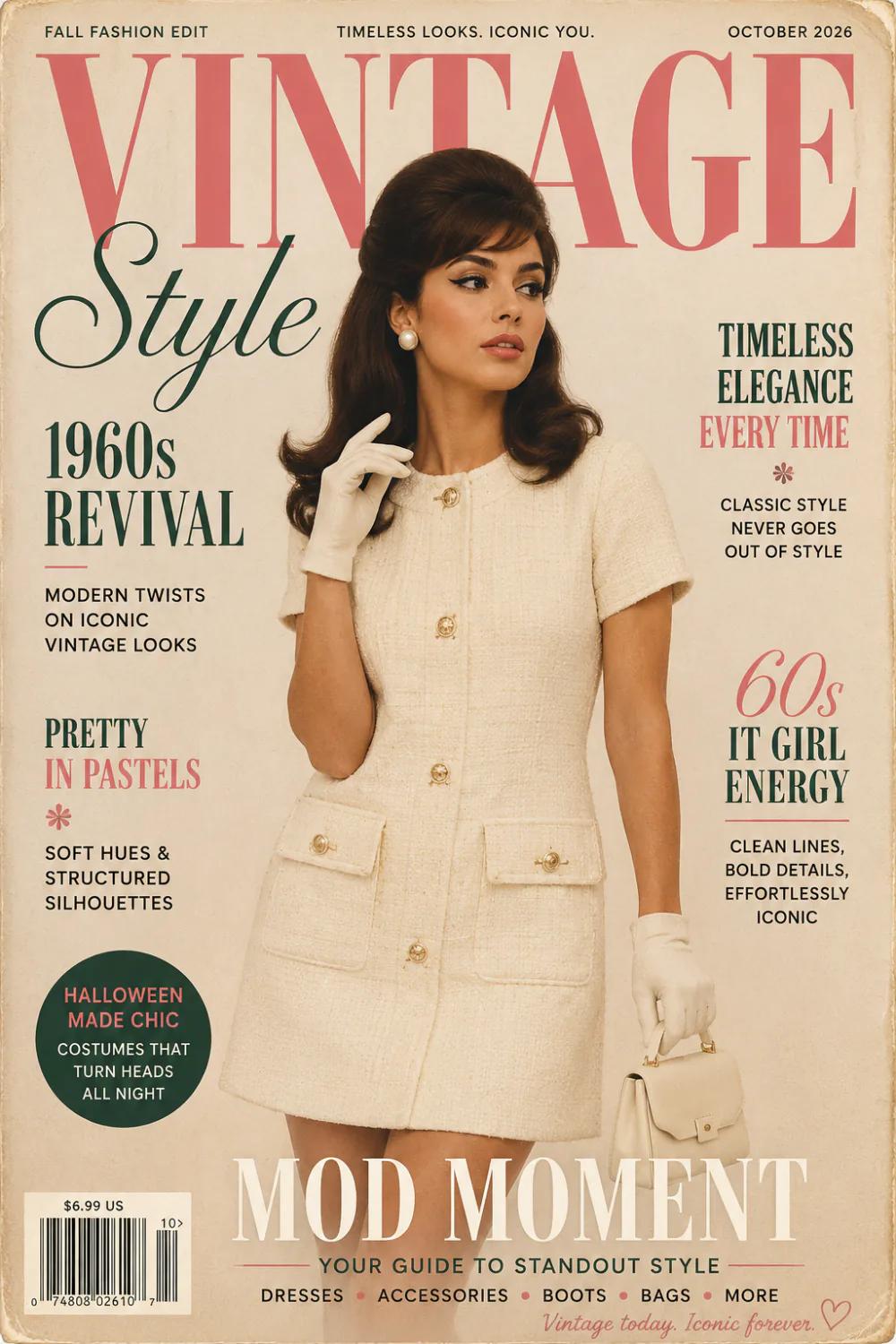
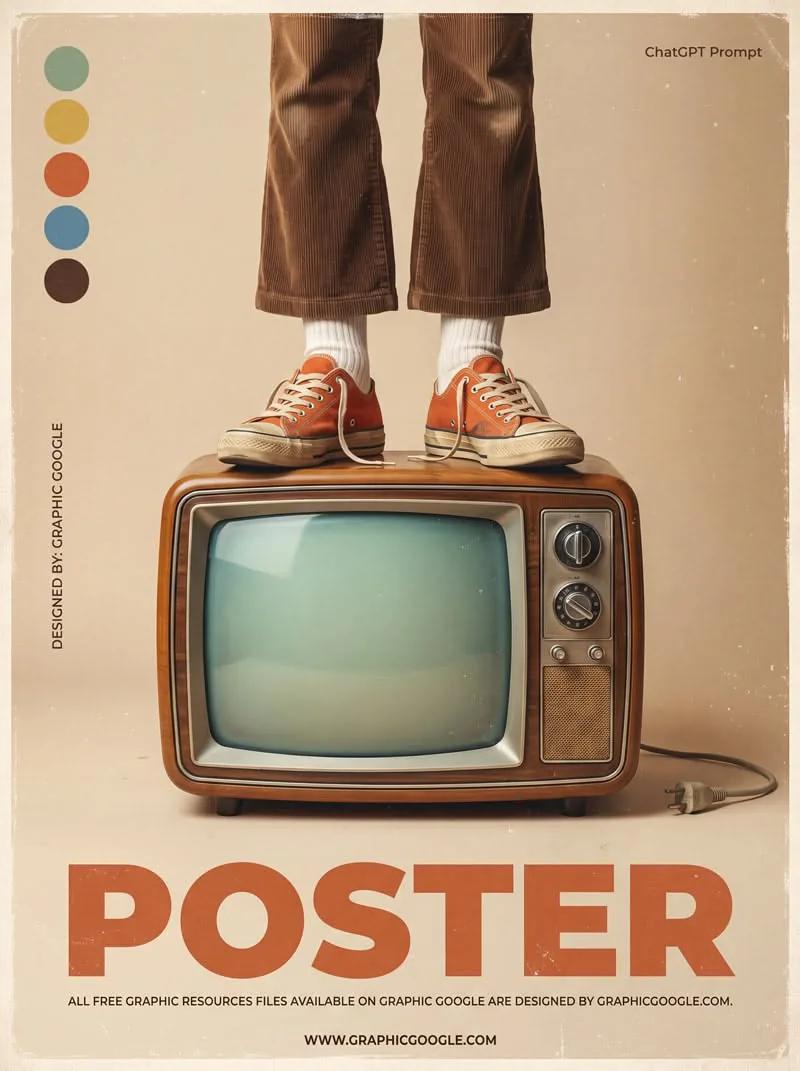
Analog Film is a retro visual direction defined by film grain, halation, organic color. It can help marketers create a recognizable visual system across campaigns, content, products, and brand communication.

SIGNATURE CHARACTERISTICS
- film grain
- halation
- organic color
- period-specific color
- nostalgic typography
- analog texture

COLOR DIRECTION
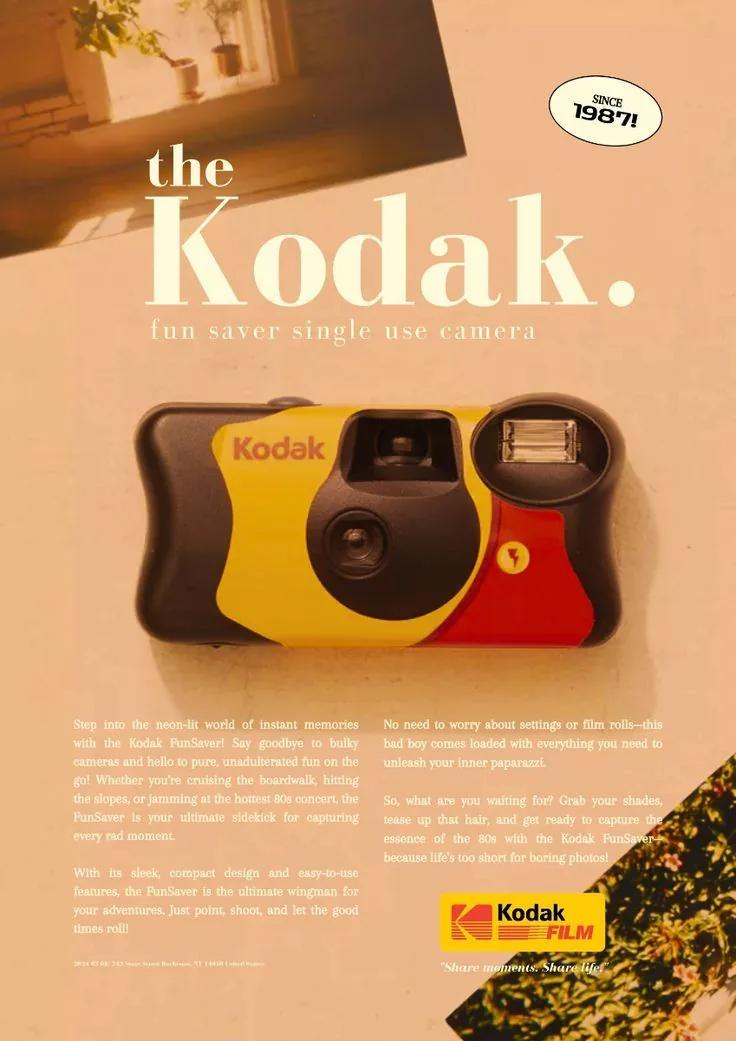
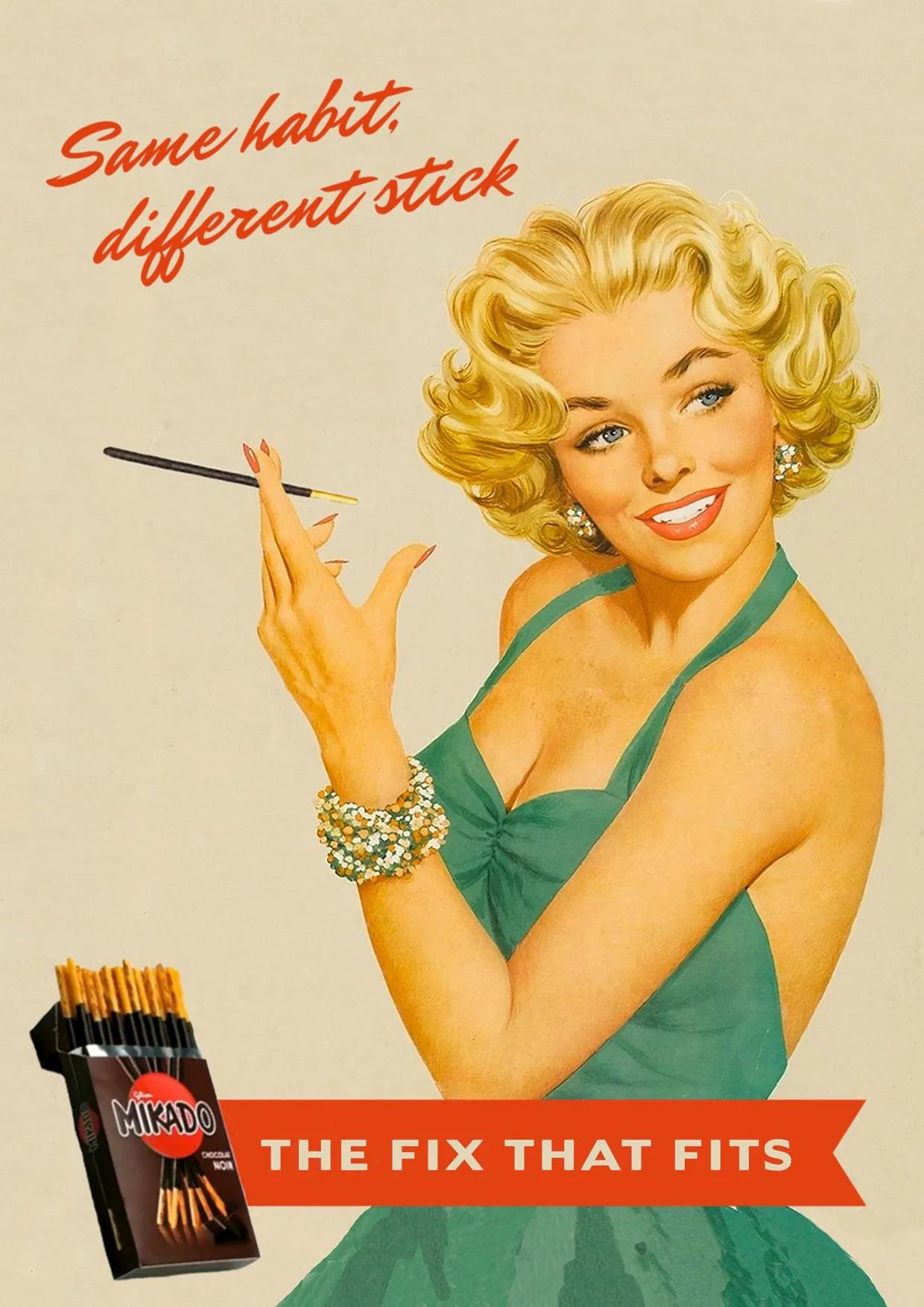
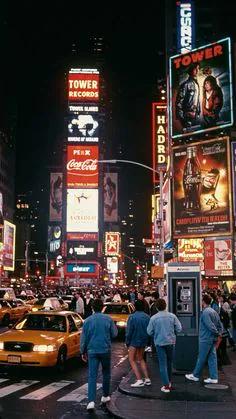
Use era-appropriate palettes with faded inks, warm neutrals, muted saturation, or period-specific neon.

TYPOGRAPHY
Use historically relevant display styles, sign painting, geometric lettering, serif advertising type, or pixel fonts.

COMPOSITION
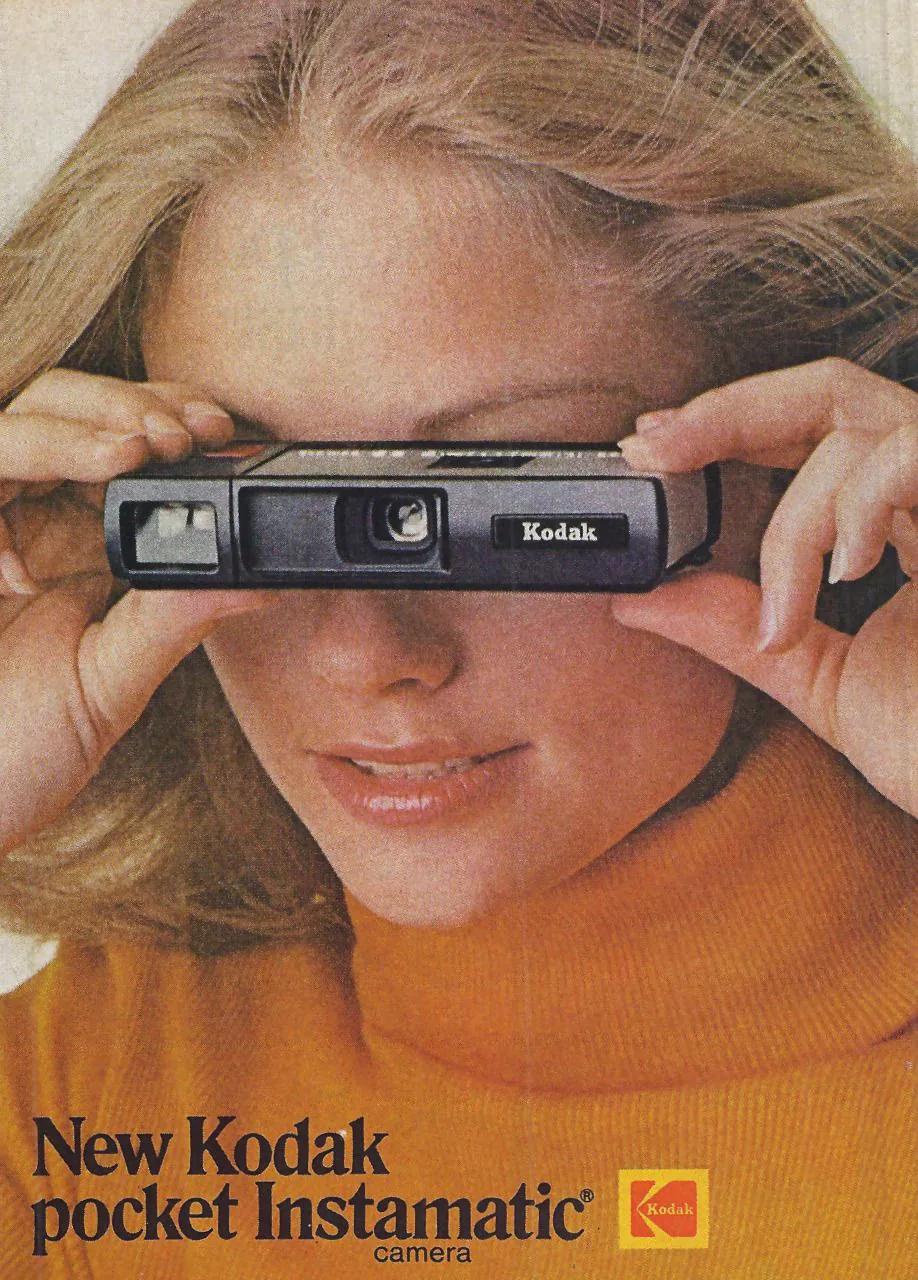
Use period advertising layouts, poster structures, print grids, decorative frames, or cinematic framing.

LIGHTING
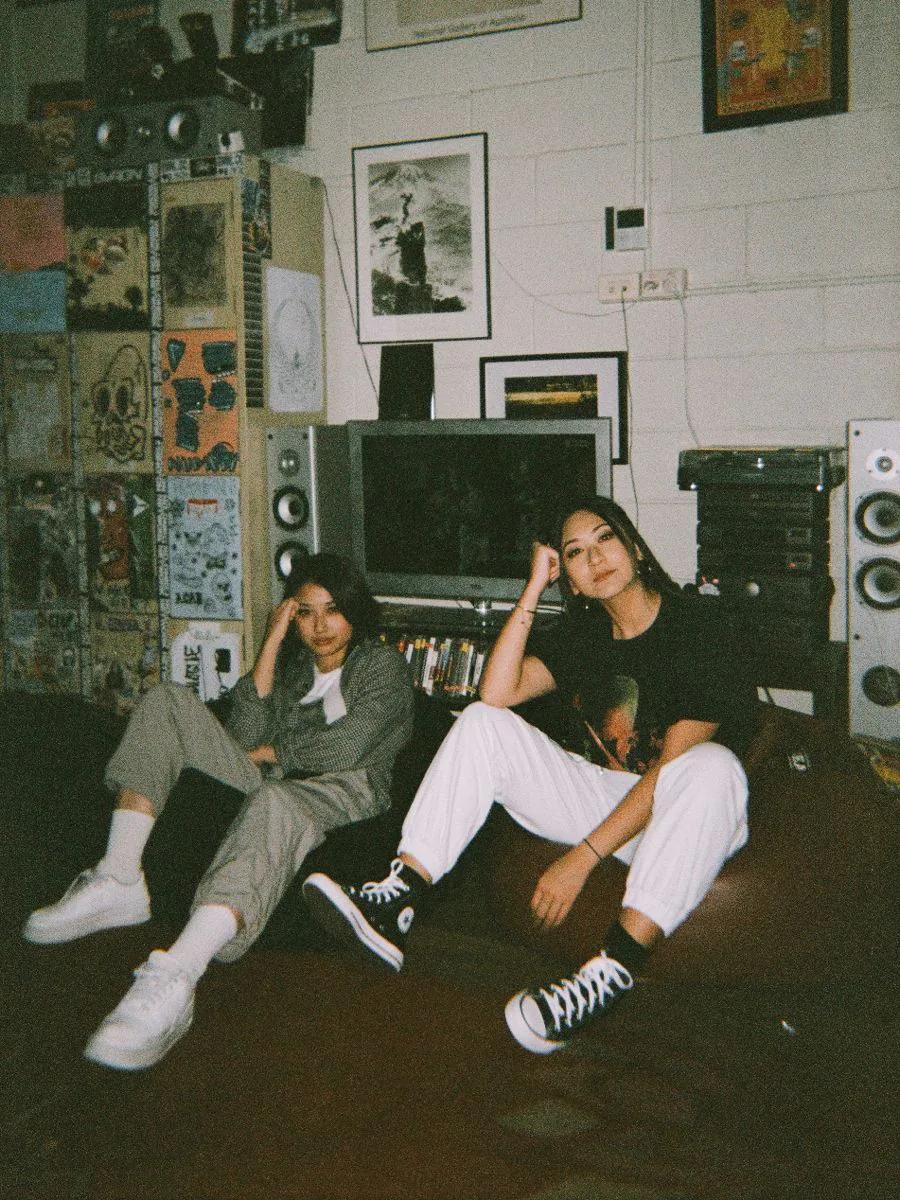
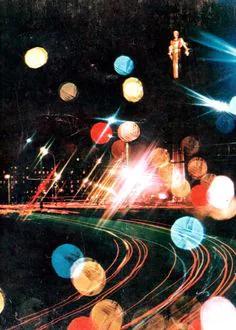
Use warm practical light, direct flash, filmic contrast, halation, or era-appropriate studio lighting.

TEXTURE AND MATERIAL
Use film grain, paper aging, ink spread, halftones, VHS noise, dust, scratches, or faded print.

IMAGE TREATMENT
Apply a coherent period grade, authentic grain, restrained wear, and historically plausible styling.

BEST USES
- nostalgia campaigns
- music and culture content
- heritage brands
- event promotion

AVOID
- mixing unrelated decades
- fake aging everywhere
- modern details that break the period
- generic vintage filters

PROMPT FRAMEWORK
Create a analog film marketing image featuring [subject] for [brand or campaign]. Use film grain, halation, organic color, use era-appropriate palettes with faded inks, warm neutrals, muted saturation, or period-specific neon. use period advertising layouts, poster structures, print grids, decorative frames, or cinematic framing. use warm practical light, direct flash, filmic contrast, halation, or era-appropriate studio lighting. Keep the final image suitable for [platform or format] and leave intentional space for [headline or call to action].