High-Fashion Editorial Style Brief
High-Fashion Editorial Visual Style Guide

SUMMARY
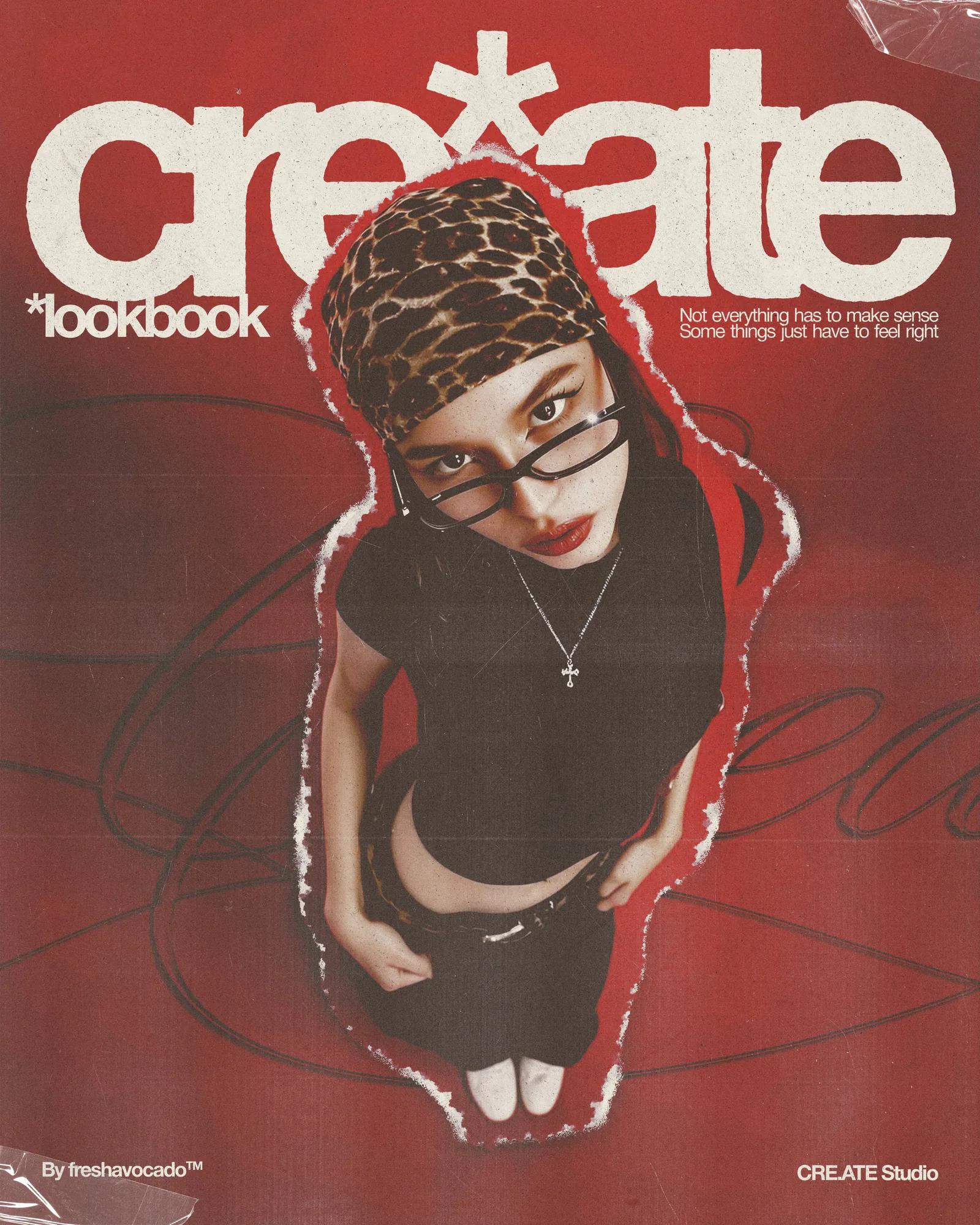
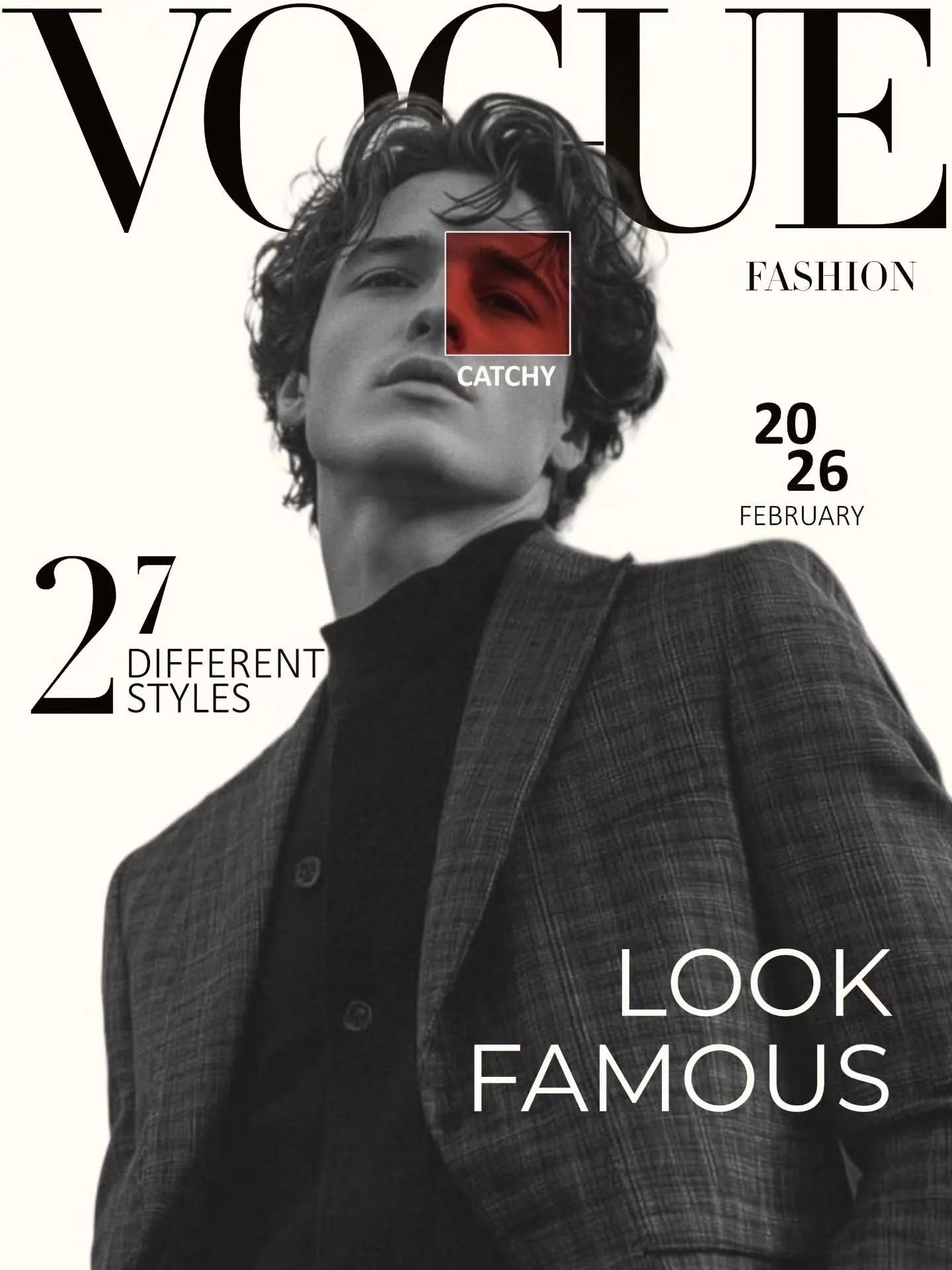
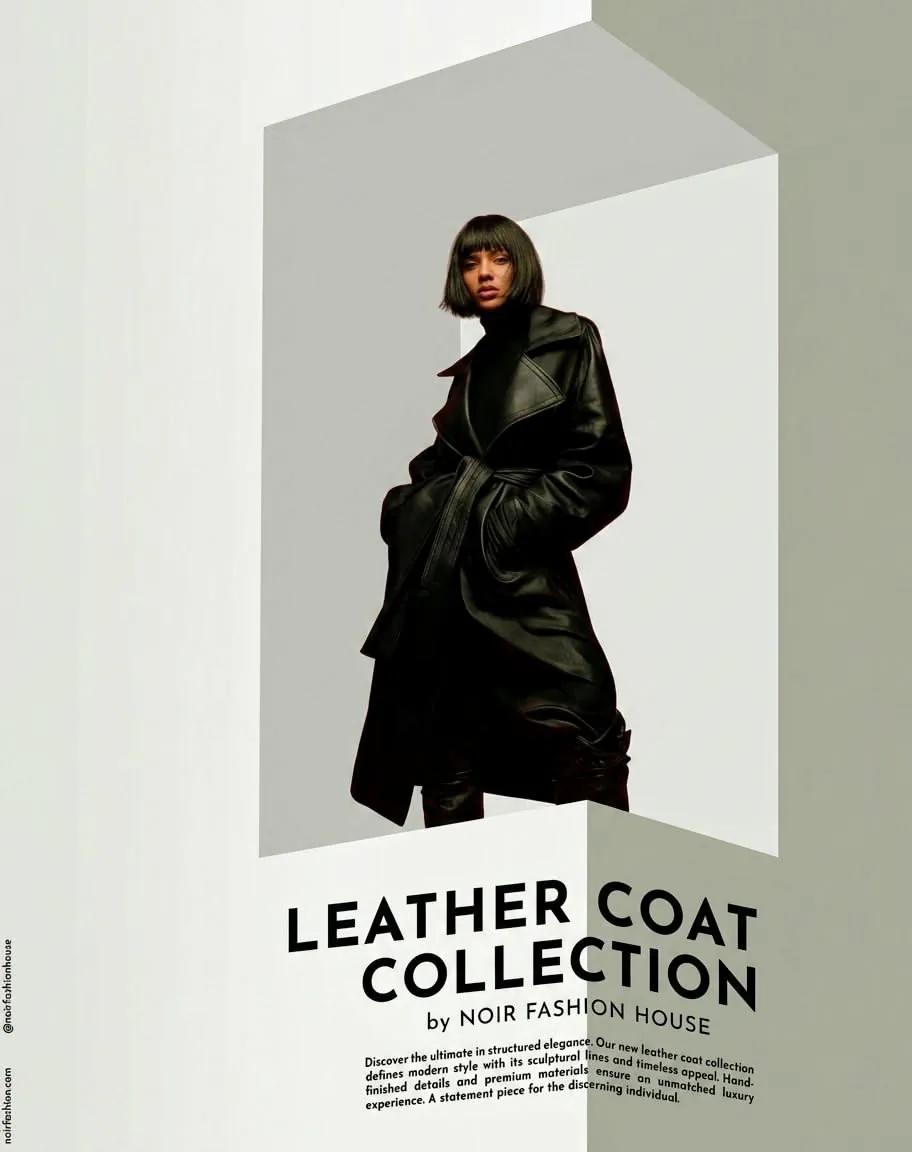
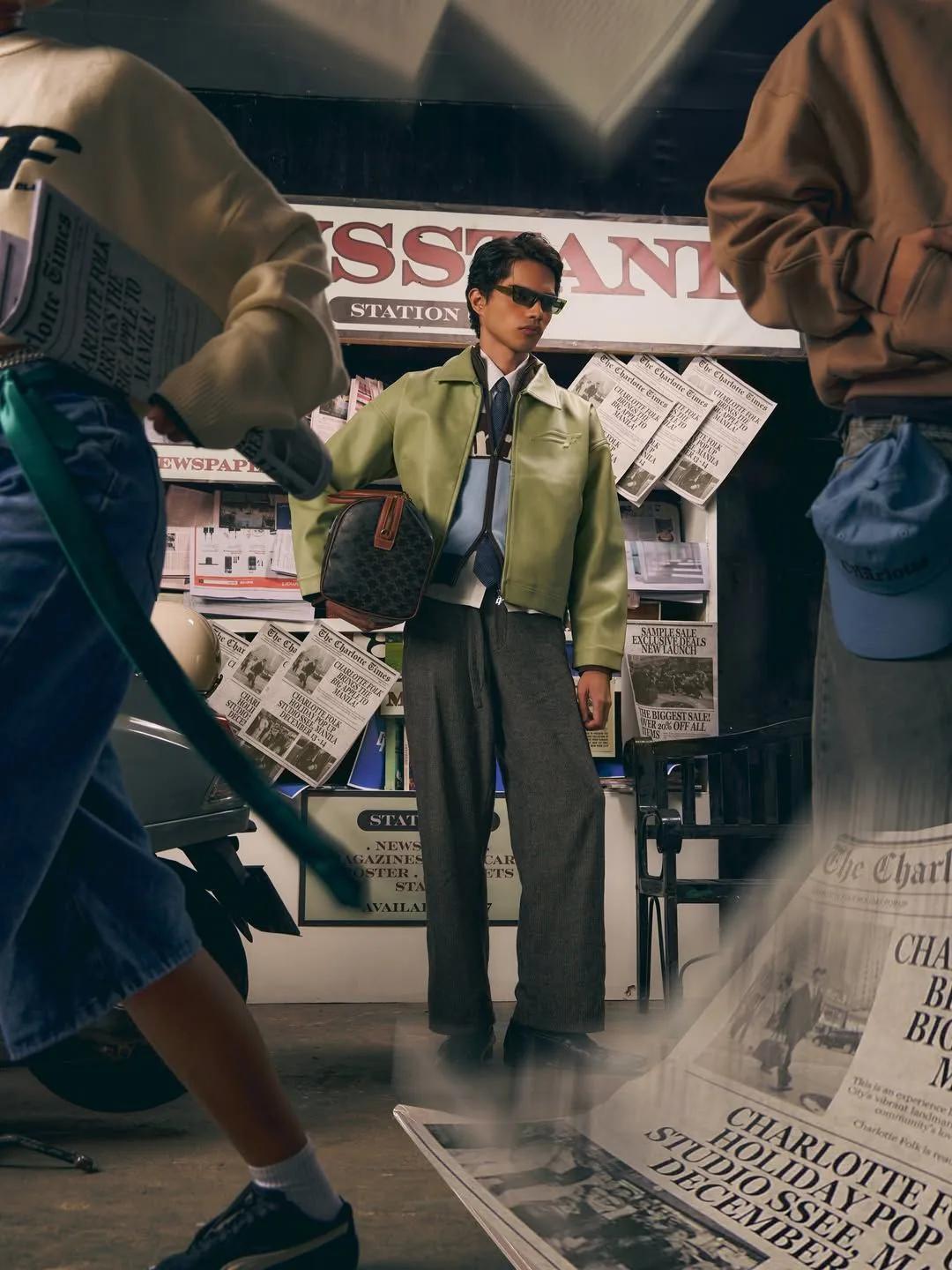
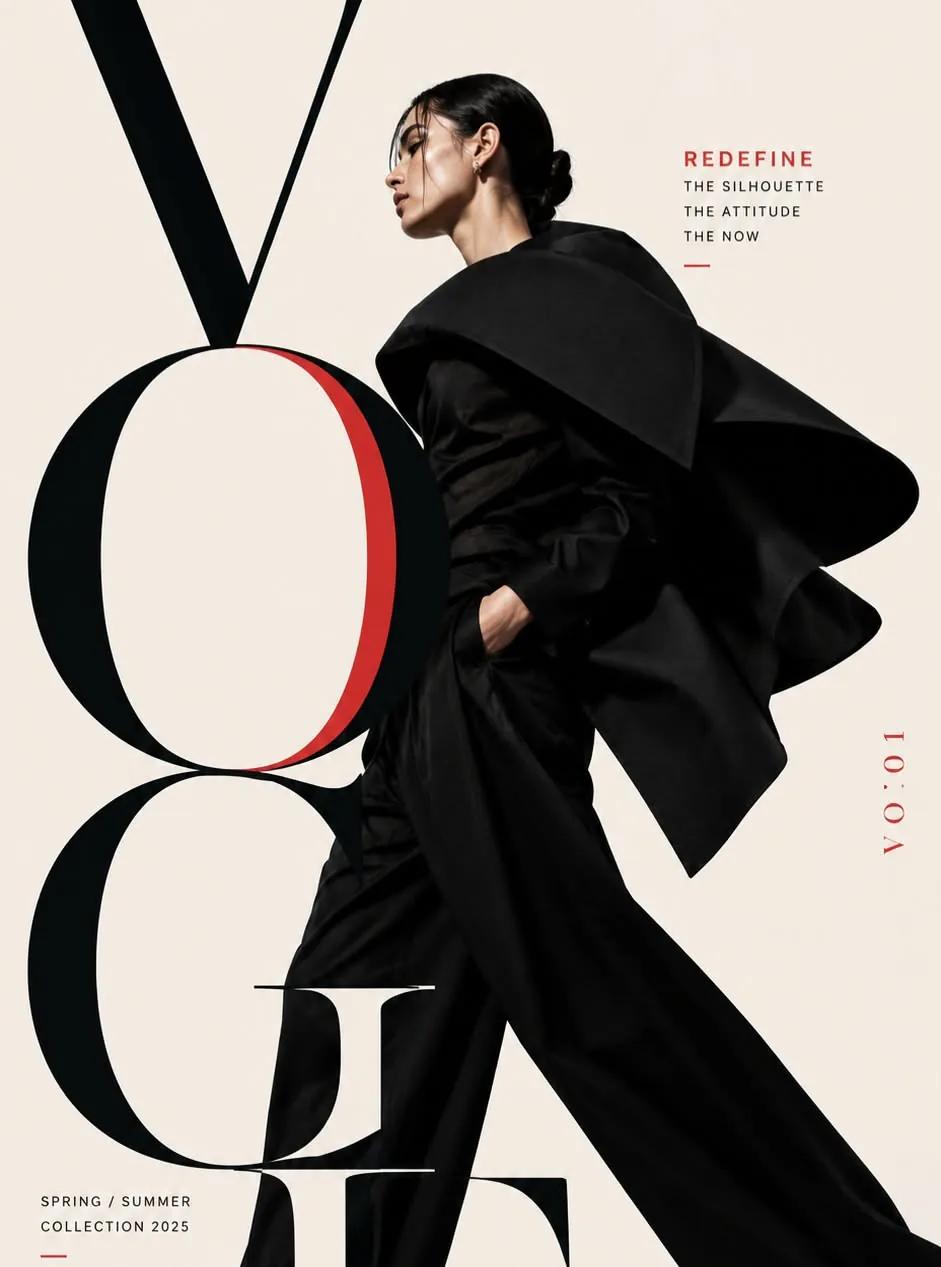
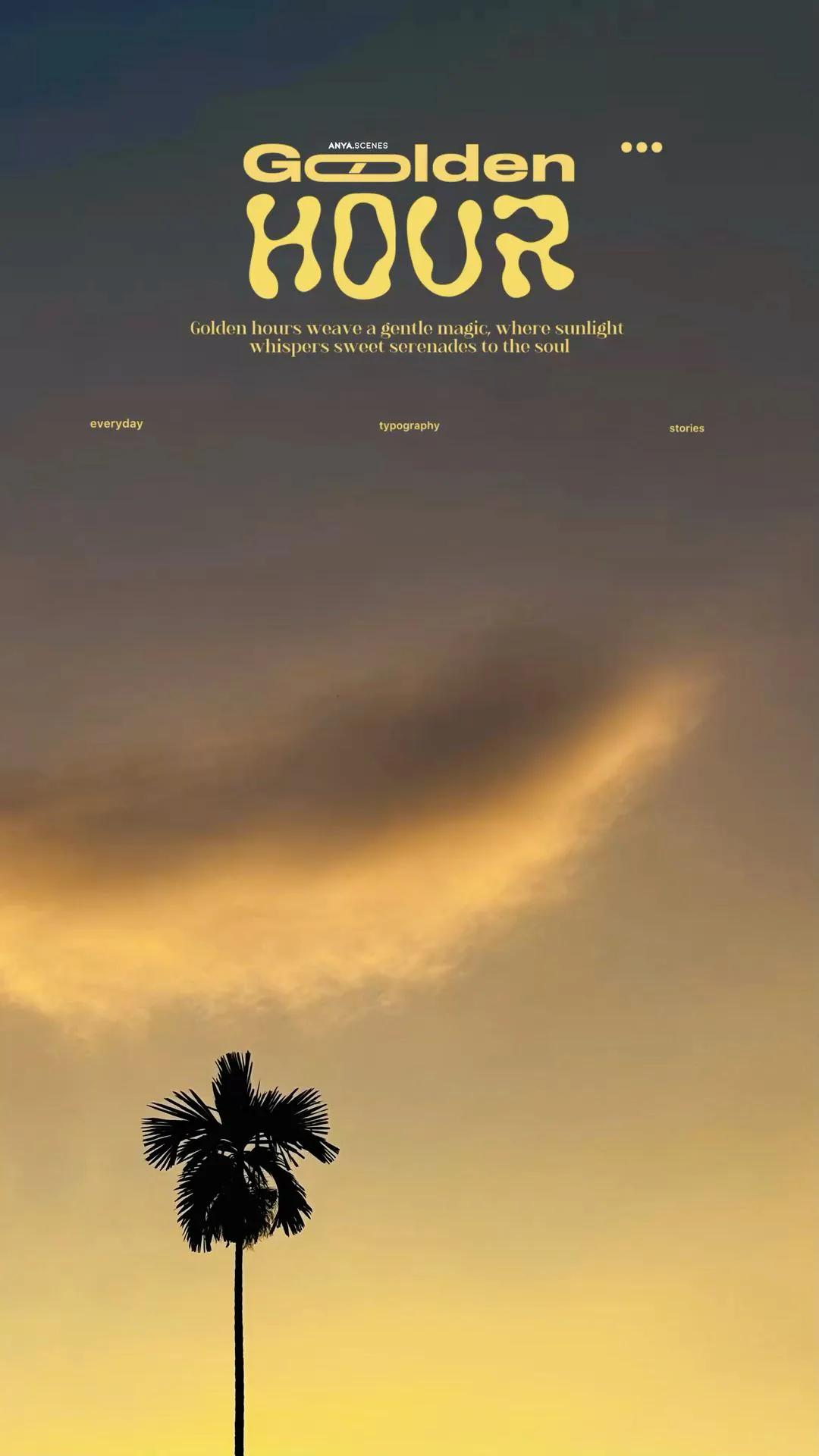
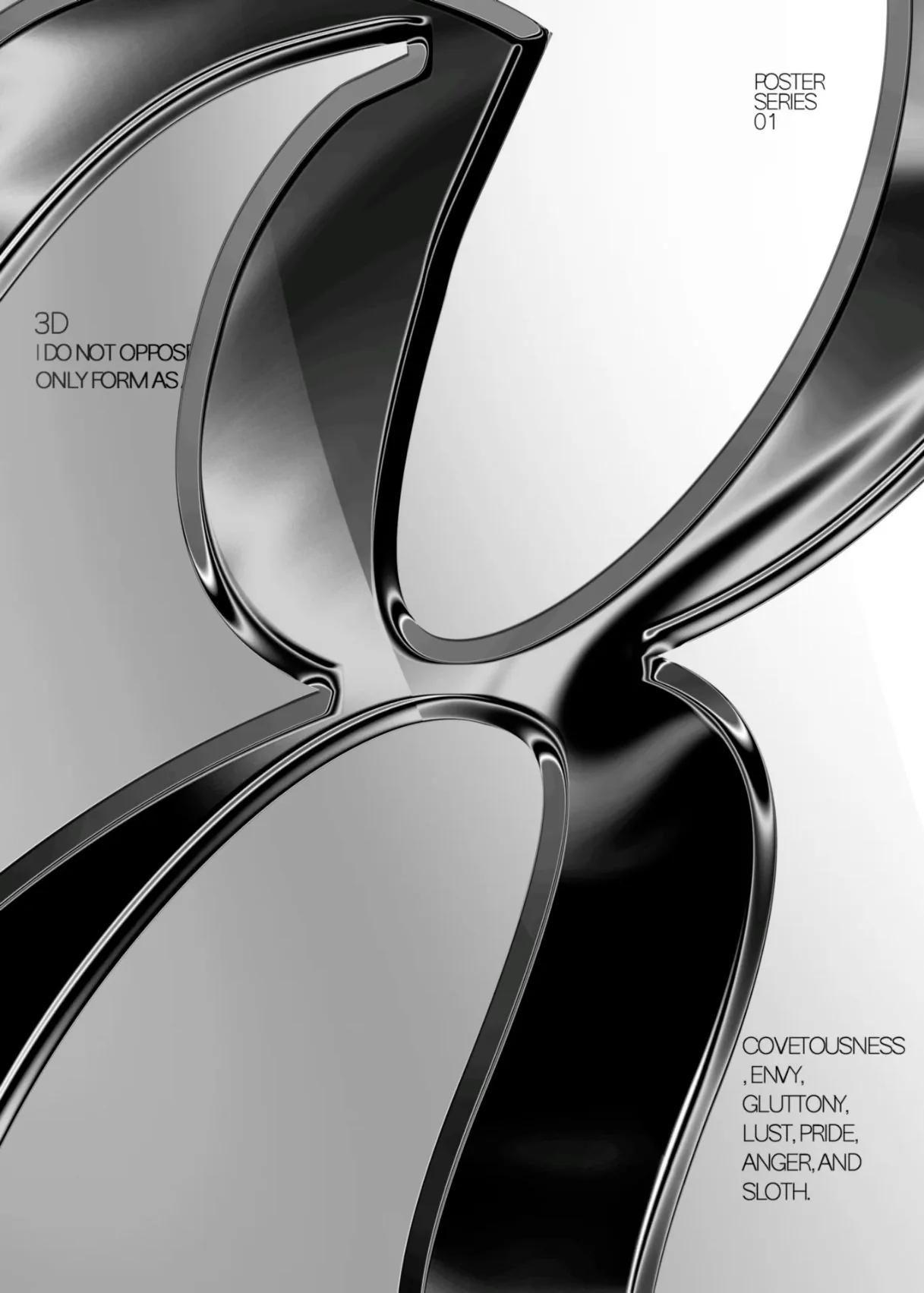
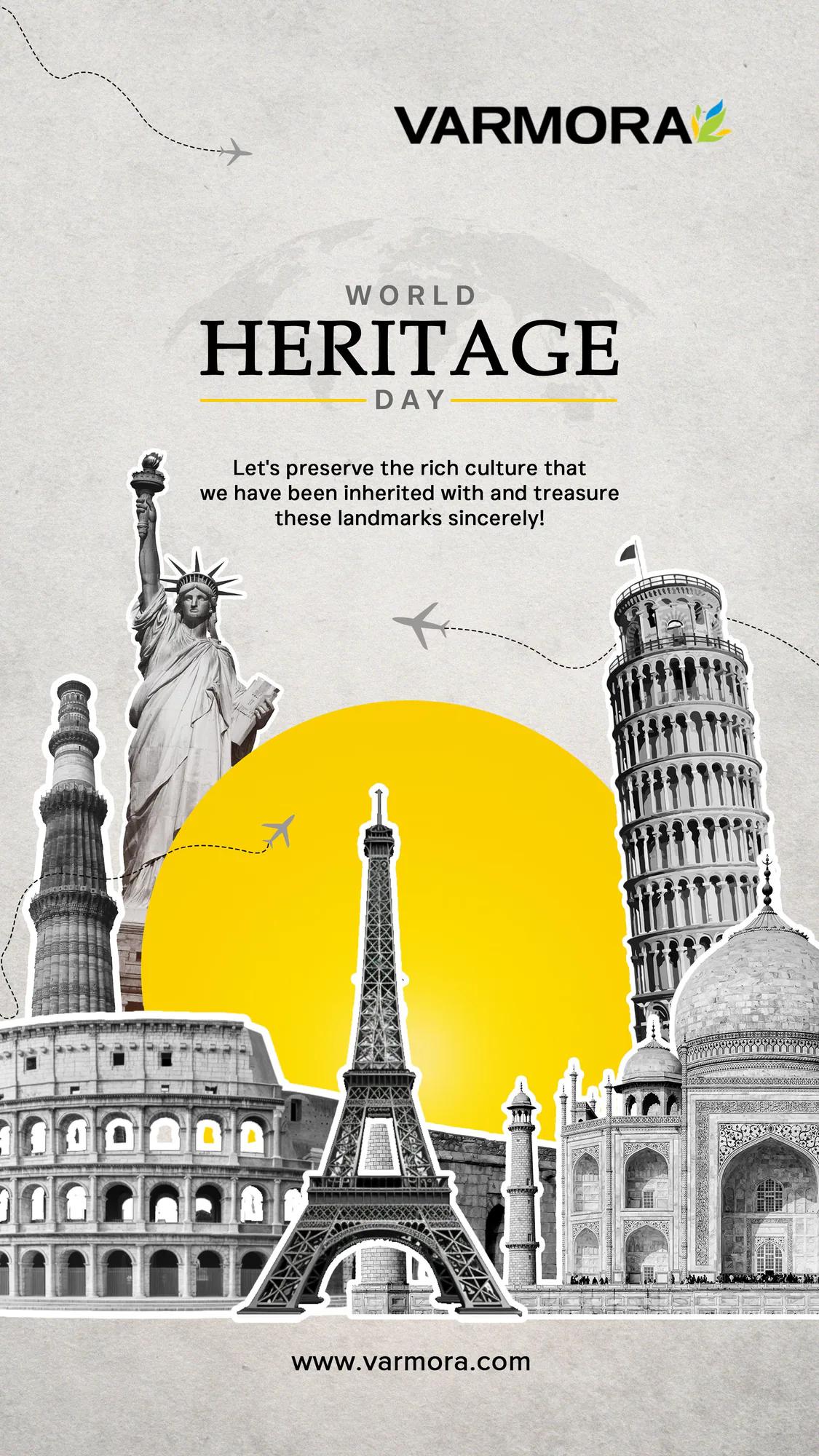
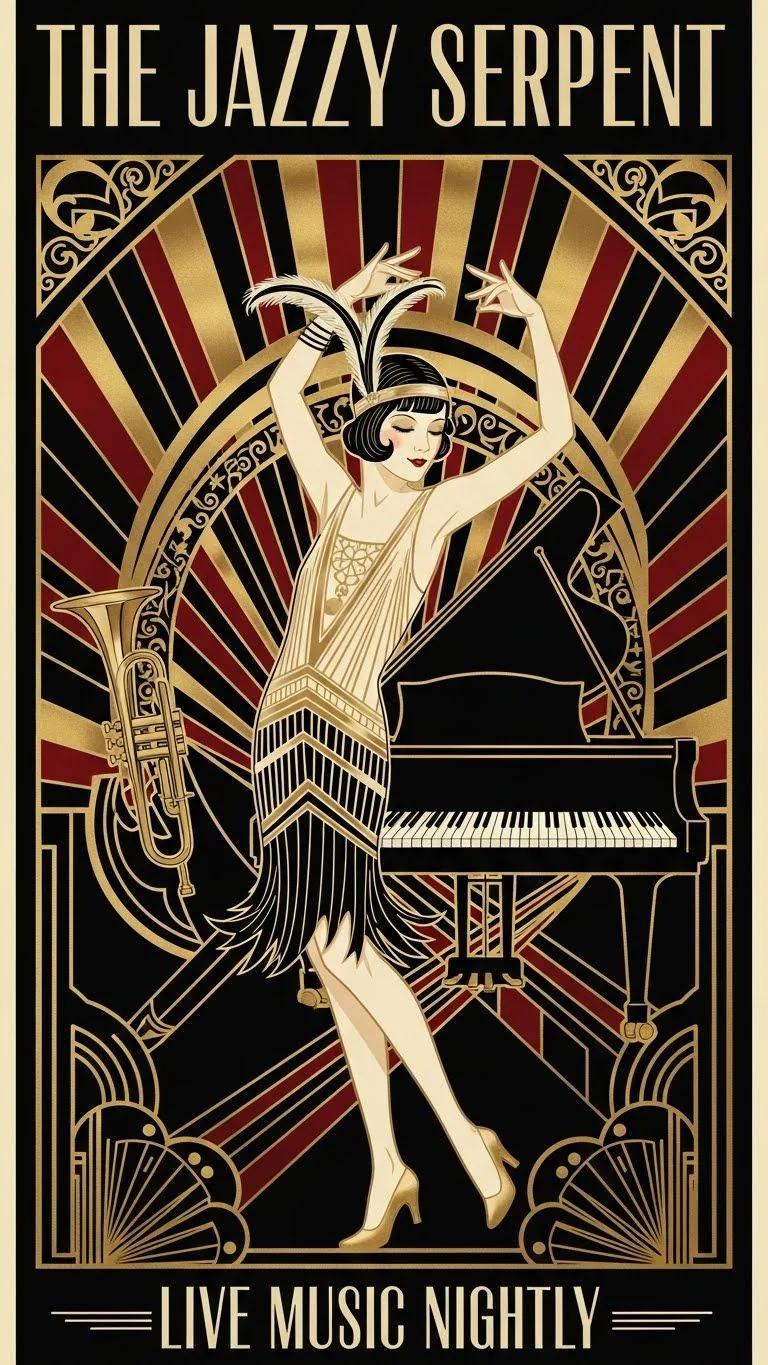
High-Fashion Editorial is a luxury visual direction defined by dramatic styling, fashion typography, art-directed photography. It can help marketers create a recognizable visual system across campaigns, content, products, and brand communication.

SIGNATURE CHARACTERISTICS
- dramatic styling
- fashion typography
- art-directed photography
- premium restraint
- refined materials
- editorial composition

COLOR DIRECTION
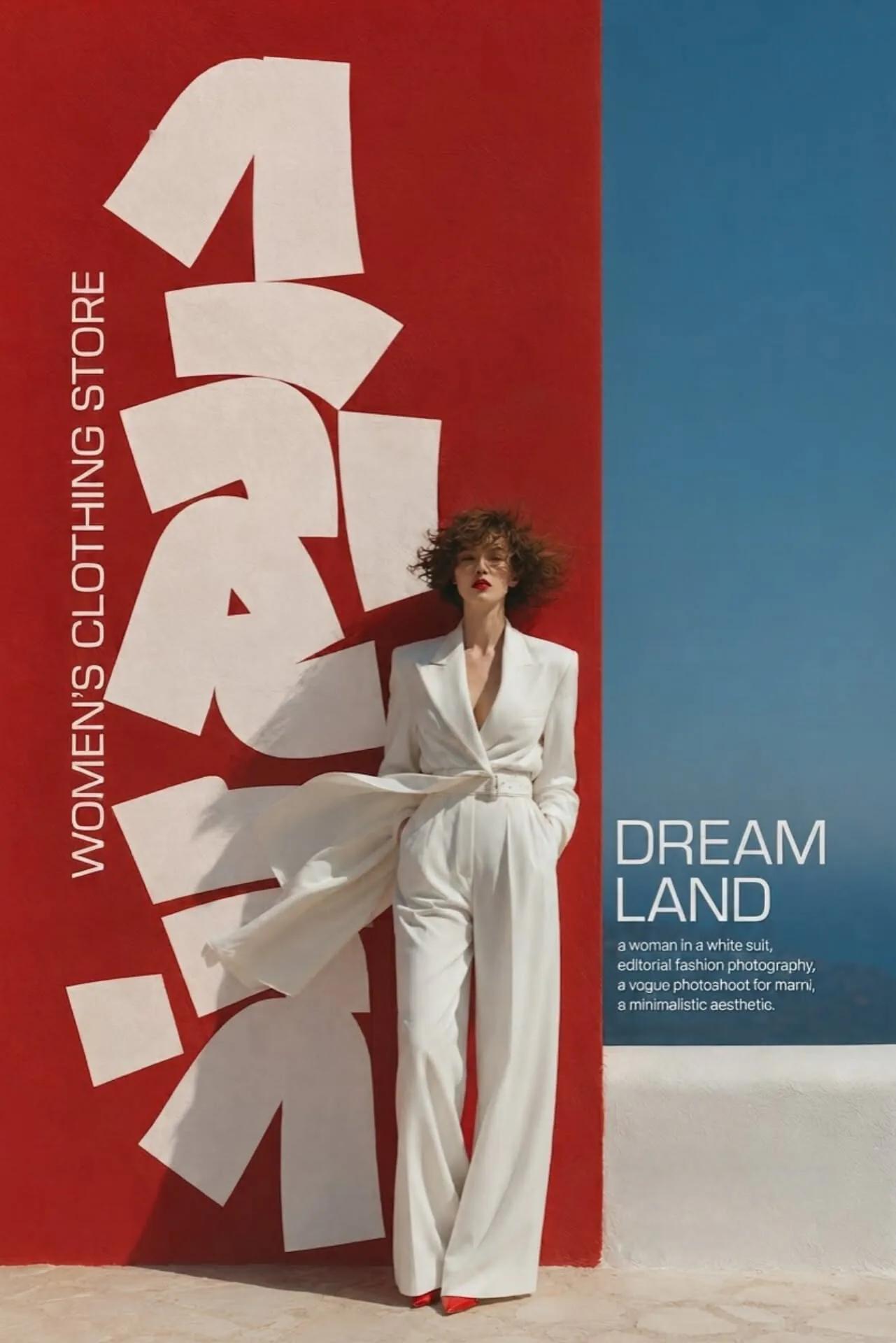
Use deep neutrals, warm whites, jewel tones, metallic accents, or monochrome combinations with disciplined contrast.

TYPOGRAPHY
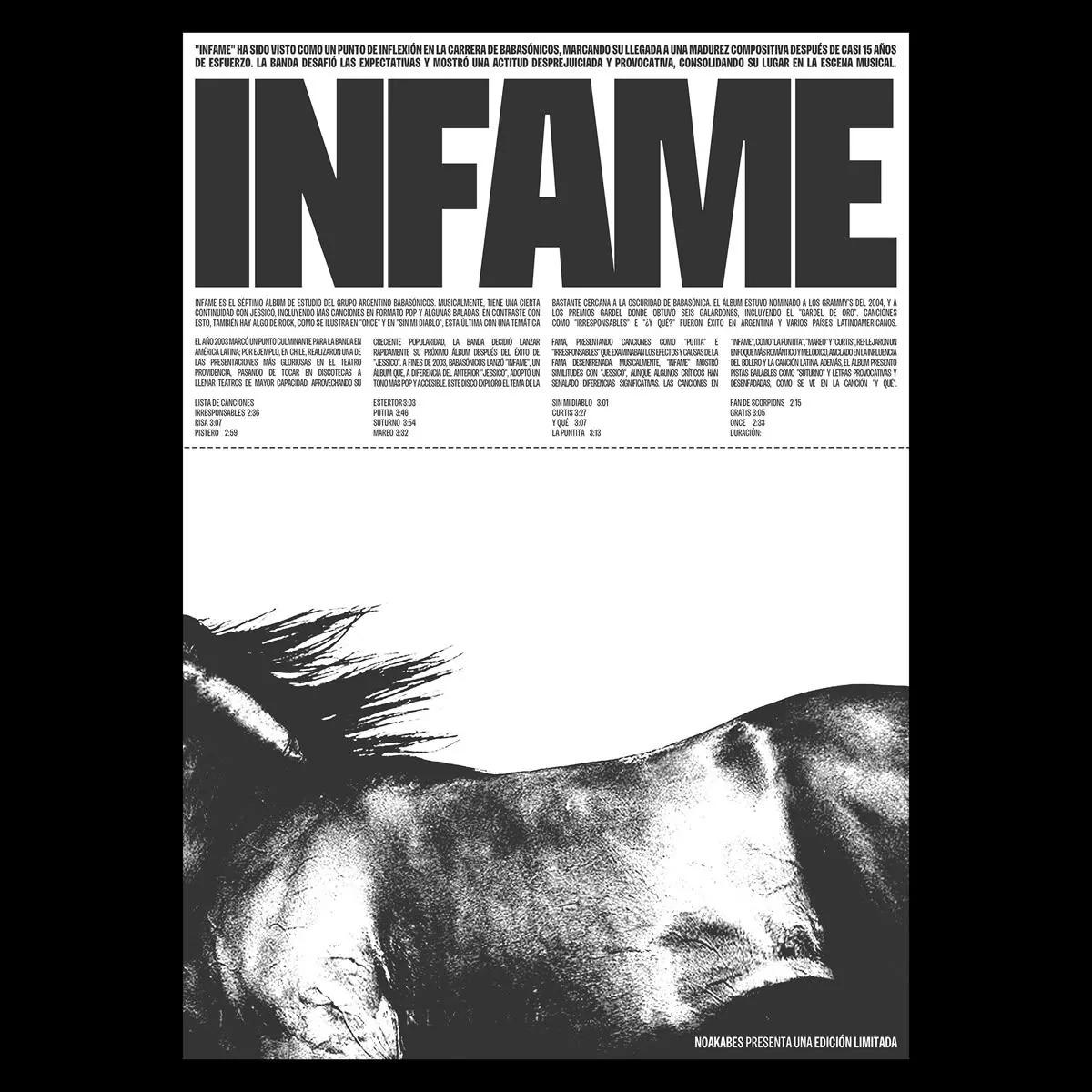
Use elegant serif, high-contrast display, refined grotesk, or carefully spaced uppercase typography.

COMPOSITION
Use editorial framing, generous margins, controlled asymmetry, and one dominant premium focal point.

LIGHTING
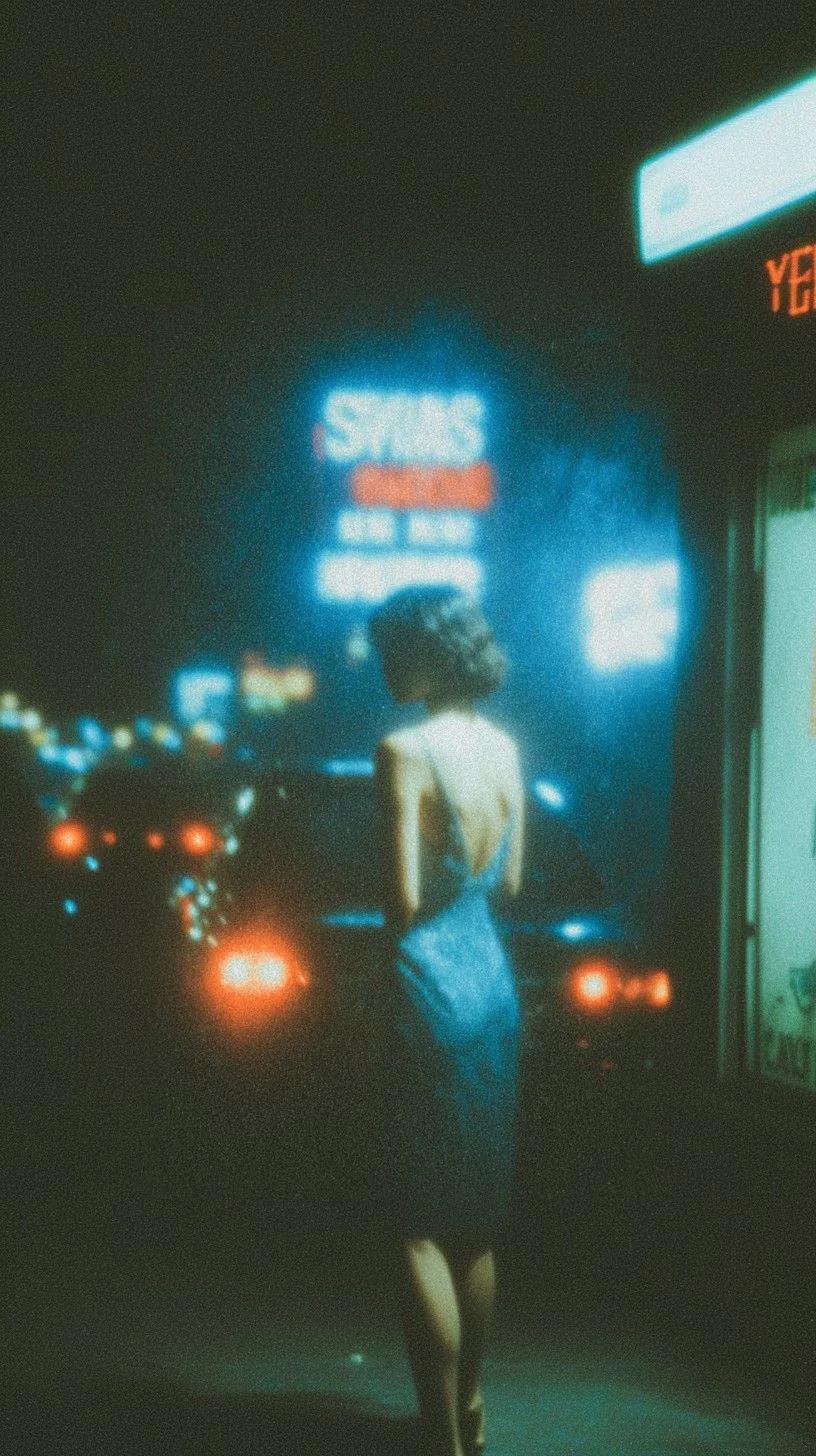
Use sculpted studio light, soft highlights, rich shadows, golden-hour warmth, or dramatic low-key lighting.

TEXTURE AND MATERIAL
Use silk, stone, leather, metal, glass, dark wood, fine paper, or subtle grain.

IMAGE TREATMENT
Use precise retouching, rich tonal range, intentional color grading, and premium material detail.

BEST USES
- fashion campaigns
- luxury products
- hospitality brands
- premium editorial content

AVOID
- cheap metallic effects
- overcrowded layouts
- excessive sparkle
- generic luxury symbols

PROMPT FRAMEWORK
Create a high-fashion editorial marketing image featuring [subject] for [brand or campaign]. Use dramatic styling, fashion typography, art-directed photography, use deep neutrals, warm whites, jewel tones, metallic accents, or monochrome combinations with disciplined contrast. use editorial framing, generous margins, controlled asymmetry, and one dominant premium focal point. use sculpted studio light, soft highlights, rich shadows, golden-hour warmth, or dramatic low-key lighting. Keep the final image suitable for [platform or format] and leave intentional space for [headline or call to action].